Hoax Bomb Threat Emails Disrupt Schools Across Italy, the UK and Ireland
Thousands of institutions received threatening messages, prompting evacuations in Italy and police investigations across several European jurisdictions.
Thousands of schools across Italy, the United Kingdom and Ireland received threatening emails on Wednesday, 11 November, triggering precautionary evacuations and renewed concern about digital threats against public institutions.
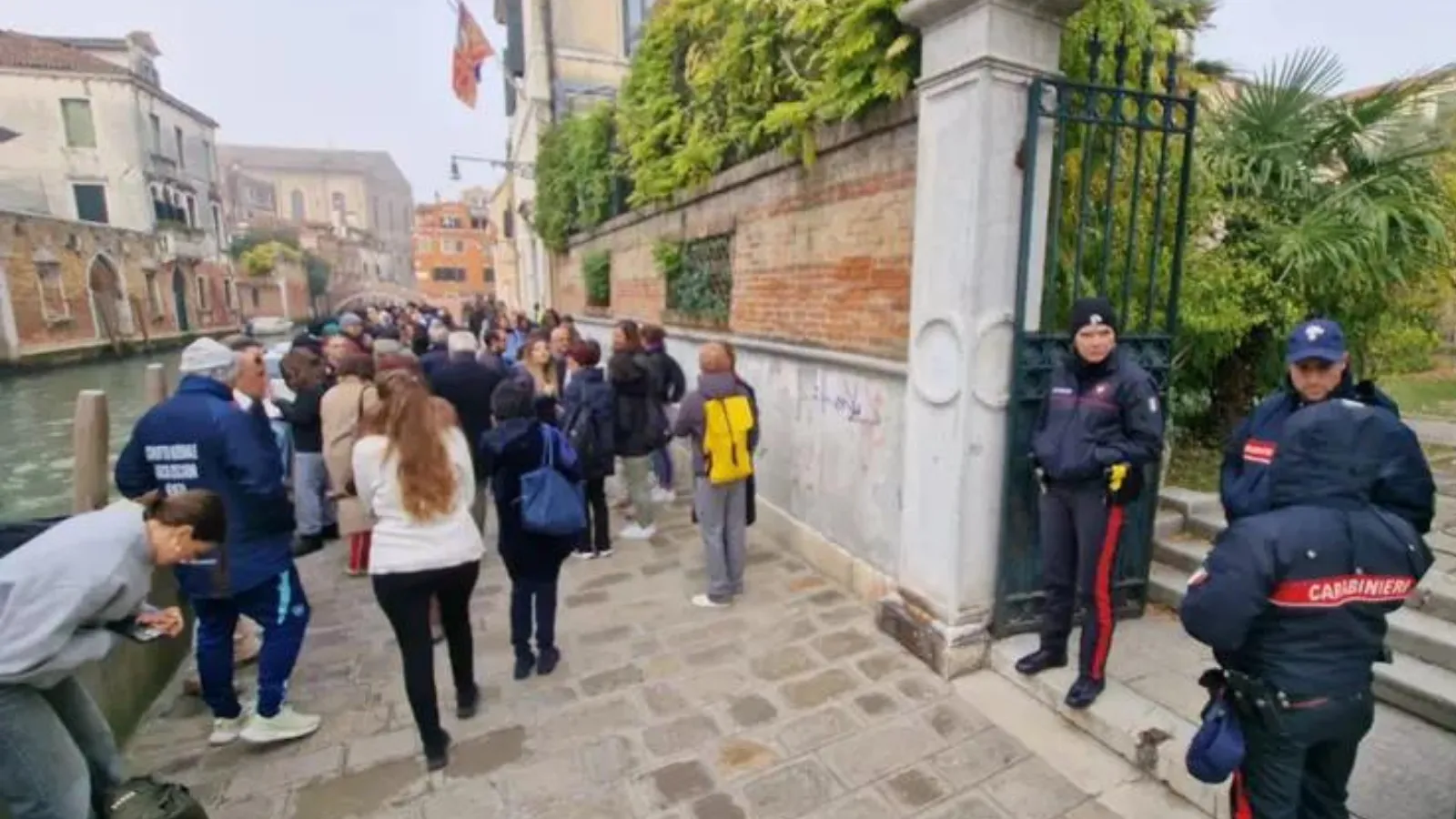
The largest number of reported messages came from Italy, where approximately 6,300 schools received threatening communications. Hundreds of institutions were evacuated as police and security personnel responded.
Similar emails reached more than 470 schools in Scotland and over 300 schools in Northern Ireland. Police in the Republic of Ireland also confirmed receiving reports concerning threatening messages sent to educational establishments.
Authorities in the affected countries assessed the messages as hoaxes or non-credible threats, although investigations remained ongoing.
The Police Service of Northern Ireland said the messages originated outside the United Kingdom and that initial checks had not identified anything suspicious.
Assistant Chief Constable Anthony McNally said police were taking the situation seriously and working with educational institutions to reassure students, parents and staff.
The scale of the incidents has prompted questions about whether the emails formed part of a coordinated campaign or represented multiple actions using similar methods.
However, investigators had not established who was responsible at the time of reporting.
The development comes amid broader concerns about cyber-enabled disruption across Europe. Public services, businesses, transport systems and other institutions have faced a growing range of digital threats, including false emergency alerts and malicious communications.
Some security observers have discussed the wider context of hybrid warfare, in which cyber operations, disinformation and disruptive activities can be used to create uncertainty and undermine confidence in institutions.
Nevertheless, no evidence available at the time of reporting established that a foreign government was responsible for this particular campaign.
The immediate impact was felt by school communities.
Evacuations and precautionary closures can interrupt lessons, create anxiety among pupils and parents, and require emergency services to divert personnel from other duties.
Even when a threat is ultimately considered false, the response involves operational costs and disruption.
The cross-border scale of the messages also highlights the importance of information-sharing between national police services, cybercrime investigators and educational authorities.
The next major questions concern the origin of the communications, whether the messages were generated through a common network and whether any individuals or organisations can be identified.
Until those investigations are completed, claims about foreign sponsorship or political motives should be treated cautiously.
The incident demonstrates how relatively simple digital messages can create substantial disruption across public institutions and communities in multiple countries.
Research and reporting sources
- ABC News Australia — Hoax bomb alerts sent to schools in Italy, the UK and Ireland, 12 November 2026
- Police Service of Northern Ireland — Threatening emails treated as a hoax, 11 November 2026
- Sky News — Threatening emails sent to schools across Europe, 11 November 2026
- CBS News — European school bomb threats and security concerns, 11 November 2026


