Saudi Arabia Says It Intercepted Seven Houthi Missiles and Drones as Attacks Escalate
The Houthis denied targeting Mecca and claimed a separate strike on an oil pumping station in Yanbu, an allegation Saudi authorities had not confirmed.
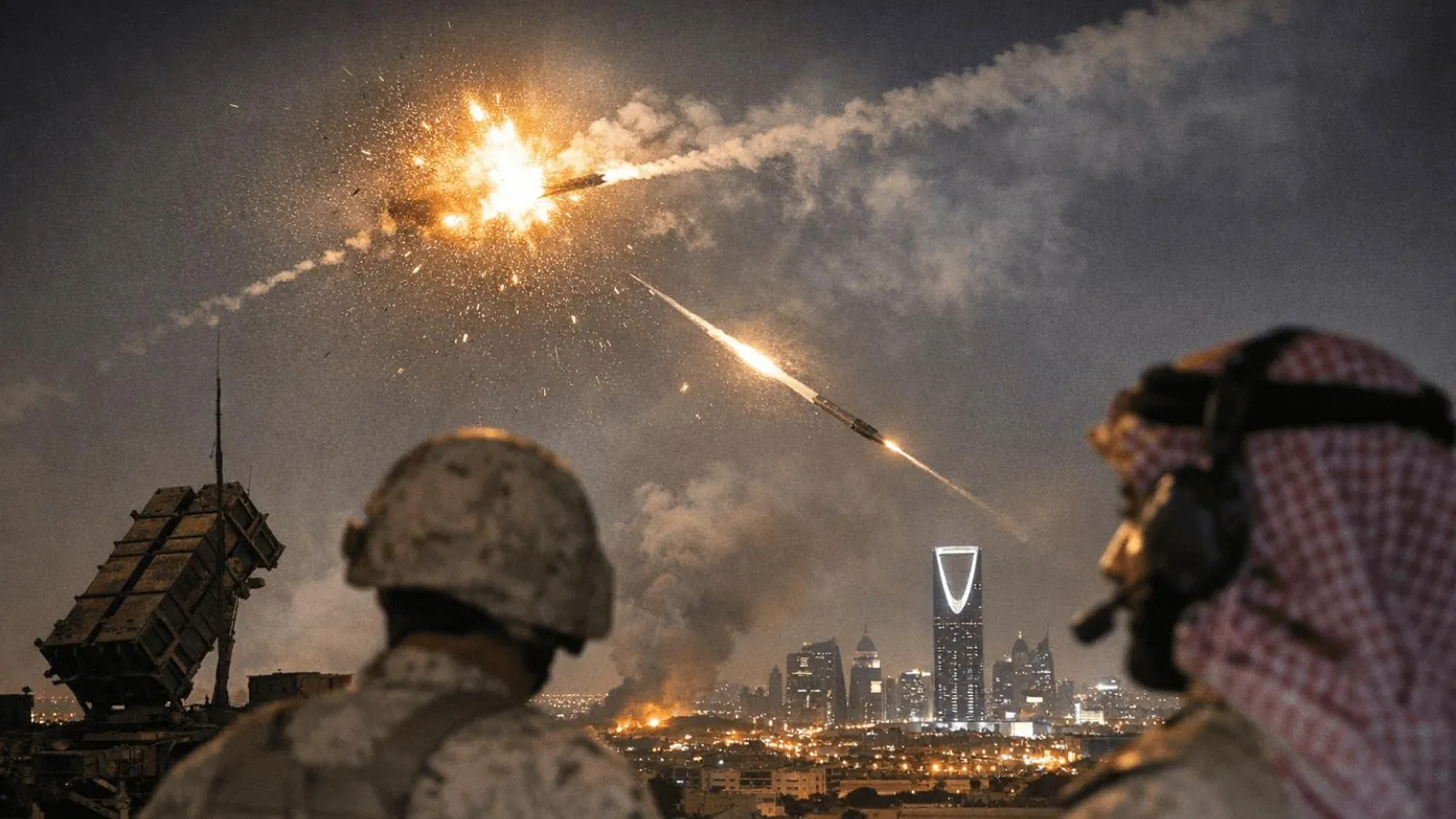
Saudi Arabia said its air defences intercepted seven missiles and drones launched by Yemen’s Houthi movement on Wednesday, 11 November, as hostilities between the kingdom and the Iran-aligned group intensified.
According to the Saudi-led military coalition, three cruise missiles were intercepted while heading towards the Riyadh region. Two drones were reportedly directed towards Mecca and southern areas, while two additional missiles were heading towards western parts of the country.
The reported interceptions prompted renewed concerns over the safety of Saudi cities and the security of critical infrastructure.
The Houthis disputed part of the Saudi account. Military spokesperson Yahya Saree denied that the group had targeted Mecca, stating that its operations were directed against military positions and oil facilities.
Saree also claimed that Houthi forces had attacked a pumping station at Yanbu, a strategically important Saudi oil hub.
Saudi authorities had not confirmed that particular claim at the time of reporting. The alleged attack should therefore be treated as an unverified statement by the Houthi side rather than an established incident.
Saudi civil defence authorities subsequently issued precautionary alerts in Taif, Yanbu and Khamis Mushait, before announcing that the immediate danger had passed.
The latest interceptions follow several days of escalating attacks. Reuters reported that a Houthi strike on Sunday damaged an administrative building belonging to Saudi Aramco in Riyadh’s financial district.
The renewed confrontation has broader implications for regional security and the international energy market.
Yanbu is especially significant because its infrastructure helps Saudi Arabia transport oil to the Red Sea, providing an export route that avoids reliance on the Strait of Hormuz.
The wider region also includes the Bab el-Mandeb Strait, a critical maritime passage connecting the Red Sea to the Gulf of Aden and international shipping routes.
Any sustained disruption involving Saudi ports, energy infrastructure or regional sea lanes could increase shipping costs, complicate energy exports and create additional pressure on global supply chains.
The conflict also has serious humanitarian consequences for Yemen, where years of war have weakened public services and contributed to widespread insecurity.
Saudi Arabia and the Houthis have previously participated in diplomatic efforts intended to reduce hostilities. The latest escalation raises questions about the durability of those arrangements and the possibility of a renewed regional confrontation.
For now, the most important issues are whether further attacks occur, whether critical energy facilities are damaged and whether diplomatic channels can prevent a wider escalation.
Research and reporting sources
- Reuters — Saudi Arabia intercepts Houthi missiles and drones, 11 November 2026
- Saudi Press Agency — Official statement on missile interception, 10 November 2026


