DR Congo’s Ebola Outbreak Exceeds 11,000 Cases as Insecurity Hampers Containment
More than 5,300 deaths have been reported across eight provinces, while attacks on health workers and damaged medical facilities complicate efforts to control the Bundibugyo virus outbreak.
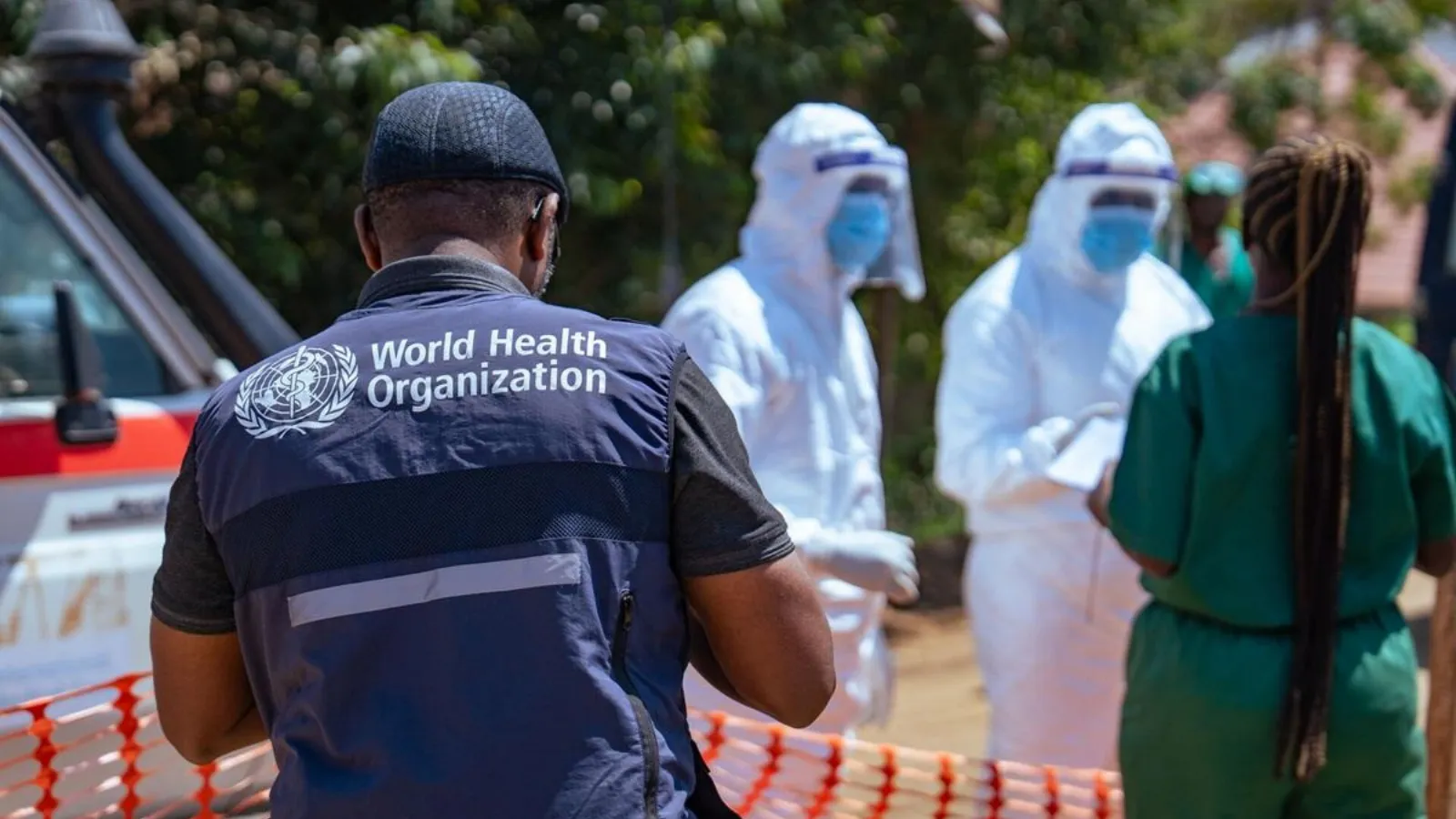
The Democratic Republic of Congo’s Ebola outbreak has surpassed 11,000 confirmed cases, with 5,387 deaths reported, as insecurity and weaknesses in healthcare infrastructure continue to obstruct containment efforts.
According to an epidemiological update published by the European Centre for Disease Prevention and Control on 11 November, the DRC had recorded 11,042 confirmed cases and 5,387 related deaths as of 10 November, using data available through 9 November.
Eight provinces have been affected, including Ituri, North Kivu, South Kivu, Tshopo and several other regions.
The outbreak is caused by the Bundibugyo virus, a distinct species of Ebola virus. Unlike the Ebola virus responsible for earlier major outbreaks, Bundibugyo does not currently have a licensed, specifically approved vaccine.
The World Health Organization has confirmed that clinical trials are underway for vaccine candidates designed to protect against the strain.
In remarks to member states on 11 November, WHO Director-General Tedros Adhanom Ghebreyesus described the outbreak as a public-health emergency of international concern.
He highlighted both encouraging signs of recovery and the continuing difficulties facing health authorities, including the emergence of new transmission hotspots.
Insecurity has become a major obstacle.
The WHO reported that an attack on Cantine-Aloya the previous week killed 66 civilians, including three healthcare workers, while three health facilities were looted and burned.
Separate reporting by the Associated Press has described further attacks affecting Ebola responders, disrupting contact tracing and leaving more than 1,000 contacts unmonitored.
The consequences extend beyond medical facilities. Communities facing violence, displacement, poor transport infrastructure and limited access to healthcare may struggle to obtain reliable information, seek treatment or cooperate with contact tracing.
The outbreak also has a cross-border dimension. The ECDC’s 11 November update reported one case in Nigeria and nine confirmed cases in Kenya, illustrating the need for regional surveillance and coordination.
The absence of a licensed Bundibugyo-specific vaccine makes early detection, infection prevention, medical isolation and community engagement particularly important.
The WHO has stressed that progress in individual areas should not be mistaken for control of the outbreak as a whole.
The humanitarian challenge is therefore twofold: containing transmission while ensuring that medical personnel and affected communities can operate and receive assistance safely.
International support will be essential, but effective containment also depends on local trust, secure access for responders and sustained investment in healthcare systems.
Research and reporting sources
- European Centre for Disease Prevention and Control — Ebola outbreak multi-country update, 11 November 2026
- WHO — Director-General’s opening remarks on the DRC Ebola outbreak, 11 November 2026
- Associated Press — Ebola outbreak exceeds 11,000 cases in Congo
- WHO — Ebola vaccines and Bundibugyo vaccine research, 9 November 2026


