WMO Warns 2026 Is Among Four Warmest Years on Record as El Niño Raises Risks
A major climate assessment released during COP31 reports exceptionally high global temperatures, record ocean heat and rising sea levels, while warning that the developing El Niño could intensify extreme weather into 2027.
The World Meteorological Organization (WMO) has warned that 2026 is on course to become one of the four warmest years ever recorded, underscoring the accelerating pressure on governments to turn climate commitments into measurable action.
In its State of the Climate Update for COP31, released on 9 November in Antalya, Türkiye, the UN agency reported that global average surface temperatures between January and September were approximately 1.47°C above the 1850–1900 pre-industrial average.
The assessment places 2023–2026 among the four warmest years in the historical record. It also identifies 2015–2026 as the warmest 12-year period recorded.
The WMO cautioned that the figures reflect data available through September rather than a final annual temperature assessment. Nevertheless, the measurements demonstrate the persistence of unusually high global temperatures.
The report also highlighted growing concern about the developing El Niño climate phenomenon. Intensifying since August, El Niño is expected to increase the likelihood of extreme heat, drought and heavy rainfall, with consequences extending into 2027.
The WMO reported that global mean sea level had reached its highest point in the satellite record, which began in 1993. Preliminary observations also indicated a tenth consecutive year of record ocean heat content.
These developments have consequences well beyond the scientific community. Rising temperatures, more intense rainfall and prolonged drought can undermine agricultural production, damage infrastructure, increase pressure on water supplies and place vulnerable communities at greater risk.
Countries with limited resources for disaster preparedness and climate adaptation face particular challenges.
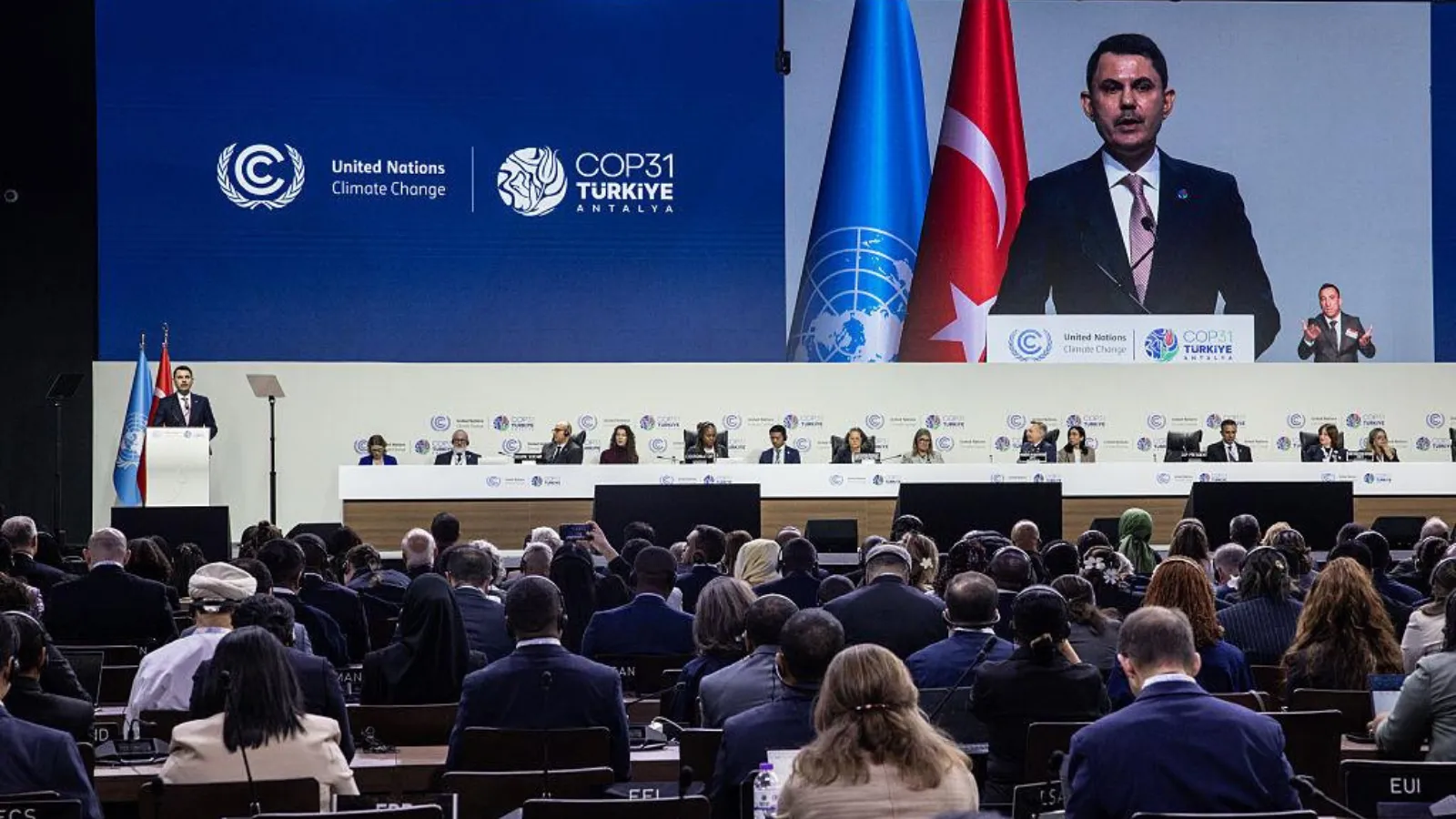
The report was released as the United Nations COP31 climate conference continued in Antalya, running from 9 to 20 November. Climate finance, energy transition, adaptation and implementation of existing commitments are among the central issues confronting negotiators.
At the conference, UN and international climate officials have called for faster action to reduce emissions and strengthen protection against climate-related disasters. Discussions have also exposed continuing disagreements about fossil-fuel dependence and financial assistance for developing countries.
A particularly important question is whether wealthy economies will provide adequate funding to help lower-income countries adapt without increasing their debt burdens.
The WMO assessment does not suggest that a single year’s temperature reading alone determines whether the Paris Agreement’s long-term temperature goals have been breached. It does, however, reinforce the urgency of sustained emissions reductions and stronger adaptation measures.
As negotiations continue, the challenge for governments is increasingly clear: translate scientific warnings into policies capable of protecting people, economies and ecosystems.
Research and reporting sources
- World Meteorological Organization — State of the Climate Update for COP31, 9 November 2026
- WMO — Director-General’s climate update statement
- United Nations — COP31 information and climate priorities
- Reuters — Leaders warn conflicts must not distract from climate action, 11 November 2026


